
Updated May 29, 2026
What Companies Must Do Before August 12, 2026
The European Union’s Packaging and Packaging Waste Regulation (PPWR) is the most significant overhaul of EU packaging law in decades. Replacing the Packaging and Packaging Waste Directive, the PPWR creates a single, harmonized regulatory framework for all packaging placed on the EU market. By August 12, 2026 companies must:
Reduce or eliminate certain chemicals
Obtain specific documentation on all packaging
Apply PPWR-specific labeling to all packaging
PPWR is a directly applicable regulation, meaning its rules automatically apply across all EU member states without national implementation. The regulation entered into force in February 2025 and will apply starting August 12, 2026, giving companies a limited window to ensure compliance.
Download our free PPWR bulletin for a shareable 2-page overview
Who Does PPWR Apply To?
The regulation covers all packaging placed on the EU market. Affected businesses include:
Manufacturers
Importers
Distributors
Fulfilment service providers
Producers subject to EPR rules
For covered companies, this deadline represents a critical compliance milestone. Non-compliance could result in fines, restricted market access, or potential customs intervention on shipments.
What Does PPWR Cover?
PPWR covers the entire life cycle of packaging, including:
Packaging design
Material composition
Recyclability and reuse requirements
Labeling and traceability
Waste management and recycling systems
Producer responsibility obligations
Goals of PPWR
Its objectives include:
Reducing packaging waste across the EU
Making all packaging recyclable in an economically viable way by 2030
Increasing recycled content in packaging
Promoting reusable packaging systems
The regulation applies to all packaging placed on the EU market, regardless of material type or industry sector.
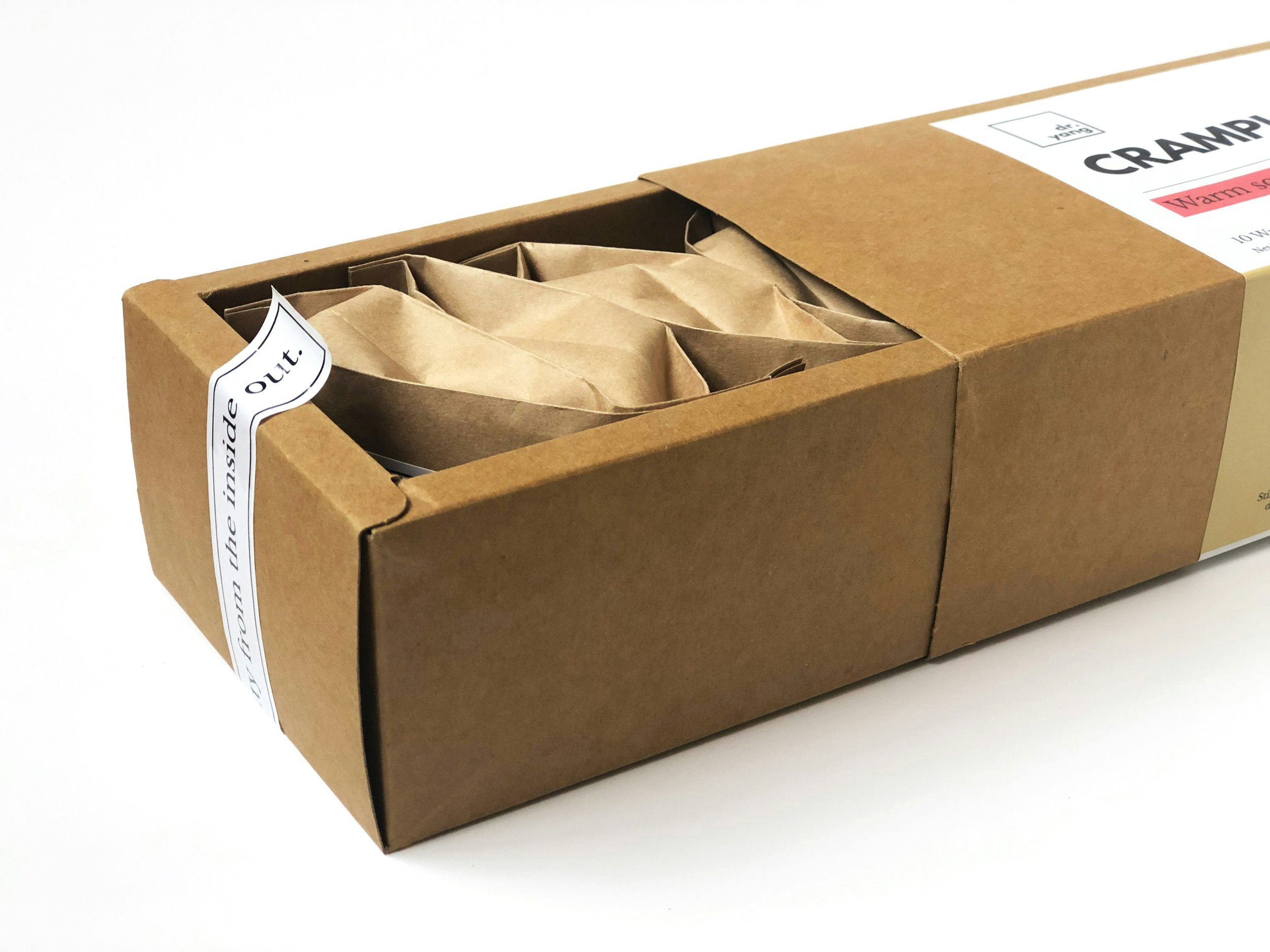
What PPWR Requires by August 12, 2026
From August 12, 2026, the PPWR generally applies across the EU. By that date, manufacturers and importers should be ready to demonstrate conformity, maintain technical documentation, provide required identification details, and comply with the PFAS restriction for food-contact packaging.
Other obligations phase in later, including harmonized material-composition labeling from August 12, 2028 or later, sales-packaging empty-space rules from February 12, 2028, and broader packaging-minimization and 50% empty-space requirements by 2030 or later.
By the application date, companies must ensure their packaging complies with several foundational requirements.
Chemical Restrictions
Certain hazardous substances, including PFAS (“forever chemicals”) over specified thresholds, must be eliminated from food-contact packaging.
Traceability & Labeling
Packaging must include:
Manufacturer or importer name and contact details.
Unique identification markers such as batch or serial numbers.
Required documentation or QR codes where needed.
Data & Documentation Obligations
Companies must maintain documentation proving compliance with PPWR requirements for 5 years for single-use packaging and 10 years for reusable packaging.
Prepare for PPWR Now
With the August 2026 deadline approaching, companies should prioritize the following actions:
Build a packaging data inventory
Conduct a recyclability assessment
Update supplier agreements
Implement packaging traceability systems
Develop reusable packaging strategies
Organizations that delay these steps risk facing supply chain disruptions and lost access to the EU market.
PPWR Checklists by Company Type
PPWR Preparation Checklist: Manufacturers
Packaging manufacturers (including converters and component producers) bear the primary responsibility for packaging design and technical compliance.
1. Conduct a Packaging Compliance Audit
Review all packaging SKUs and materials
Identify non-recyclable components
Evaluate excess weight or volume
2. Update Packaging Design
Implement “design for recycling”
Reduce unnecessary materials and headspace
Replace restricted substances
3. Document Packaging Composition
Maintain records of materials and additives
Track recycled content levels
4. Perform Conformity Assessments
Ensure packaging meets PPWR technical requirements
Prepare documentation supporting compliance
5. Issue Declarations of Conformity
Provide compliance documentation to downstream operators.
PPWR Preparation Checklist: Importers
Importers play a verification and accountability role when packaging enters the EU market. Importers must ensure packaging coming from outside the EU complies with PPWR requirements before placing it on the market.
1. Verify Manufacturer Documentation
Confirm declarations of conformity exist
Validate recyclability and design requirements
2. Confirm Labeling Compliance
Confirm importer identification appears on packaging when required.
3. Maintain Technical Documentation
Retain records demonstrating compliance.
4. Conduct Supplier Due Diligence
Audit packaging suppliers outside the EU
Require contractual compliance commitments.
5. Establish Traceability Systems
Ensure packaging batches are traceable back to manufacturers.
PPWR Preparation Checklist: Distributors
Distributors must ensure that packaging already placed on the market remains compliant throughout the supply chain. Distributors are responsible for ensuring compliant products are sold and properly documented.
1. Confirm Packaging Documentation
Confirm that declarations of conformity exist.
2. Verify Labeling
Ensure packaging contains required identification and traceability information.
3. Monitor Supply Chain Compliance
Reject and report non-compliant packaging.
4. Maintain Records
Retain documentation proving due diligence for 5 to 10 years.
5. Train Procurement and Logistics Teams
Ensure staff can identify non-compliant packaging.
PPWR Preparation Checklist: Brand Owners and Product Fillers
Brand owners and product fillers share responsibility for Extended Producer Responsibility (EPR) obligations. They are responsible for ensuring the packaging used for their products complies with PPWR requirements.
1. Map All Packaging Used for Products
Create a packaging database by SKU.
2. Evaluate Recyclability
Identify packaging that fails recyclability standards.
3. Align with EPR Requirements
Register with national producer responsibility schemes where required.
4. Establish Packaging Reduction Plans
Reduce unnecessary packaging.
5. Plan Reusable Packaging Strategies
Prepare for upcoming reuse and refill targets.
6. Update Supplier Contracts
Require PPWR-compliant packaging in all contracts.
Achieve PPWR Readiness With Snaplinc
The operational changes required for packaging redesign, supplier verification, and documentation systems under PPWR require large-scale planning and intensive strategy. Snaplinc’s experts are ready to provide streamlined guidance on PPWR and move the needle on compliance to prevent loss of market access and other consequences of being unprepared.
Contact us today to set up a PPWR evaluation and start critical compliance action.